Loading...
Serving Highland, CA and surrounding areas. (909) 737-6516
Menu
Paving over a failing surface traps the problem underneath. Milling grinds out the deteriorated layer first so your new driveway bonds to a solid base and holds up through Highland summers.
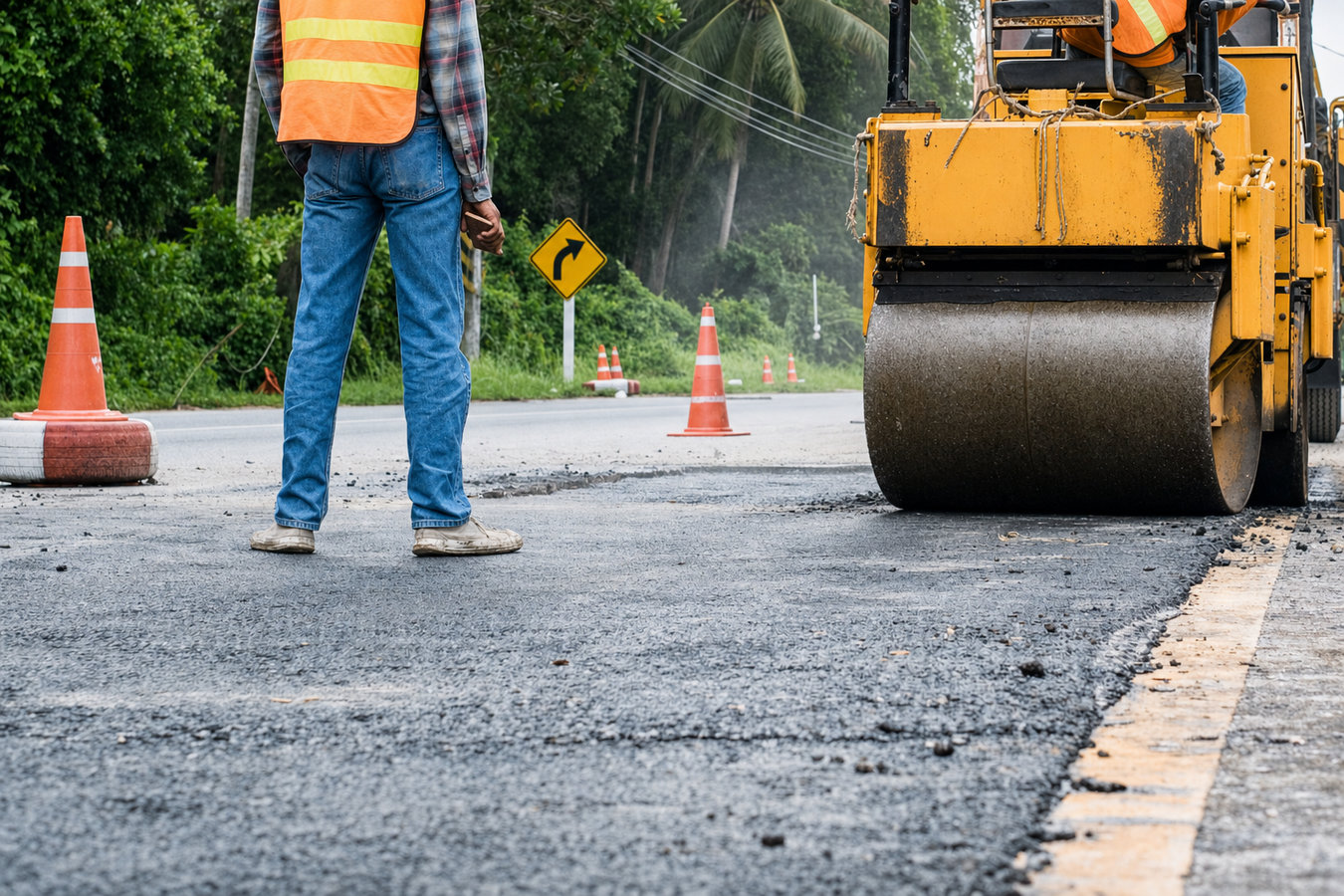
Asphalt milling in Highland is the process of grinding down and removing the top layer of an existing paved surface using a machine with rotating cutting teeth - for a standard residential driveway, the milling pass itself typically takes a few hours, and new asphalt is usually laid within a day or two.
If your driveway has been repaved more than once without milling, the surface may have crept up too high, creating drainage problems at the garage door or street edge. Rather than adding another layer with asphalt resurfacing, milling brings the elevation back down and starts fresh. We have served Highland and the surrounding Inland Empire communities since 2017.
When cracks spread across the majority of the driveway rather than appearing in one or two spots, patching individual cracks no longer makes economic sense. Milling removes the deteriorated layer entirely and gives you a fresh start. In Highland's intense heat, surface oxidation accelerates this kind of widespread cracking.
Fresh asphalt is dark and slightly flexible. When it turns light gray and feels hard or crumbly underfoot, the binder that holds it together has dried out from years of sun and heat exposure. At that point, sealcoating alone will not restore the surface - the old layer needs to come off before new material will bond properly.
Low spots and uneven areas that collect water are a sign the surface has shifted or settled unevenly. Standing water accelerates deterioration and can work its way into the base. Milling allows the contractor to re-establish a proper grade so water drains away from your home and garage.
If you have patched the same areas more than once and the repairs keep cracking or heaving, the underlying surface is too far gone for spot fixes. Milling removes the problem layer so the new surface has a clean, stable foundation to bond to, ending the repair cycle.
We handle residential driveway milling, private road milling, and commercial lot preparation in Highland and the surrounding Inland Empire. Whether the job calls for a shallow pass to remove just the oxidized surface layer or a deeper cut to address base-level damage, we assess the existing depth and condition before setting the cut specification. The ground-up reclaimed asphalt pavement is loaded into trucks and taken away for recycling - a sustainable loop that also keeps material costs lower than starting from bare ground. If water management is a concern once the new surface is laid, our team can also coordinate drainage solutions to make sure rain and irrigation run away from your foundation rather than pooling on the new surface.
After milling, the base is inspected for soft spots, uneven areas, or sub-base issues that could compromise the new layer. If we find anything that needs addressing, we tell you before paving begins - not after. That step is especially important in Highland, where ground movement from expansive soils can undermine a base quietly. Once the base passes inspection, new asphalt is laid and compacted to produce a smooth, even result. We also offer asphalt resurfacing for surfaces where the base is still sound and a full mill is not required.
Suits homeowners whose driveway surface has deteriorated beyond what patching or sealcoating can fix.
Suits driveways where only the oxidized top layer needs removing and the base beneath remains solid.
Suits situations where multiple paving layers have stacked up and elevation or drainage needs to be reset.
Suits parking areas and private roads where a consistent, machine-graded surface is required before repaving.
Highland sits at the foot of the San Bernardino Mountains in the Inland Empire, where summer temperatures regularly exceed 100 degrees and the sun bakes asphalt surfaces year-round. That combination oxidizes and dries out the surface binder faster than in cooler climates, which is why Highland driveways often reach the end of their useful life sooner than you might expect. Paving directly over that dried-out layer traps brittle material that will continue to crack and shift, eventually working through to the new surface. Milling removes the problem at the source.
The alluvial soils in the Inland Empire can shift and settle, particularly at the base of the mountains where Highland sits. That ground movement, combined with occasional seismic activity in this earthquake-active region, can stress a paved surface from below. Starting fresh with a properly milled and inspected base gives the new asphalt the best possible foundation. Homeowners in San Bernardino and Colton deal with the same soil and heat conditions, and milling is just as important across those communities as it is in Highland.
Call or fill out our contact form and tell us the size of the area, the condition of the surface, and any specific concerns like drainage or elevation. We respond within one business day and schedule a free on-site estimate at your convenience.
We walk the surface, check the depth of the existing asphalt, inspect the base condition, and note any drainage or access issues. You get a written quote that separates the milling, hauling, and repaving costs so you can compare clearly.
Before the crew arrives, clear vehicles, trash cans, and any items stored along the driveway edges. Trim low-hanging branches if needed. The milling machine is large and the process is loud, so giving neighbors a heads-up is a good idea.
The milling machine grinds the surface to the agreed depth, the old material is hauled away for recycling, and new asphalt is laid within a day or two. After a 24-to-48-hour curing window, we do a final walkthrough and address any concerns before the job is closed out.
Free on-site estimate. We check the base condition before we quote - no surprises.
(909) 737-6516After milling, we inspect the exposed base for soft spots or drainage issues before laying new asphalt. If the base needs repair, we tell you before the paving crew shows up - not after. That conversation protects your investment and prevents the same surface failure from happening again.
The ground-up asphalt we remove is reclaimed asphalt pavement, and we take it to a facility where it is recycled into new asphalt mixes or road base. This practice is endorsed by the National Asphalt Pavement Association as one of the more environmentally sound approaches in the paving industry.
We schedule larger milling and paving projects for late fall through early spring when temperatures are more forgiving and new asphalt compacts and cures more evenly. When summer jobs are necessary, our crews time the paving pour to avoid the hottest part of the day, which matters in Highland's climate.
We have been working on driveways and lots in Highland and the surrounding communities long enough to know that the alluvial soils near the mountain base behave differently from flatter valley ground. That firsthand knowledge informs how we assess base conditions and how we price each milling job.
Milling is the foundation that makes everything else work. When the deteriorated layer comes off cleanly, the new asphalt bonds to a solid, properly graded base - and the finished surface behaves the way it should for years. That is the difference between a driveway that holds up and one that starts showing cracks again before the first summer is over.
Pair new pavement with engineered drainage so water moves away from your property after every rain.
Learn MoreAdd a fresh asphalt layer over a sound base when full milling is not required.
Learn MoreOur crew is ready to remove that failing surface and get your driveway draining properly - before the next heat wave arrives.