
Loading...
Serving Highland, CA and surrounding areas. (909) 737-6516
Menu
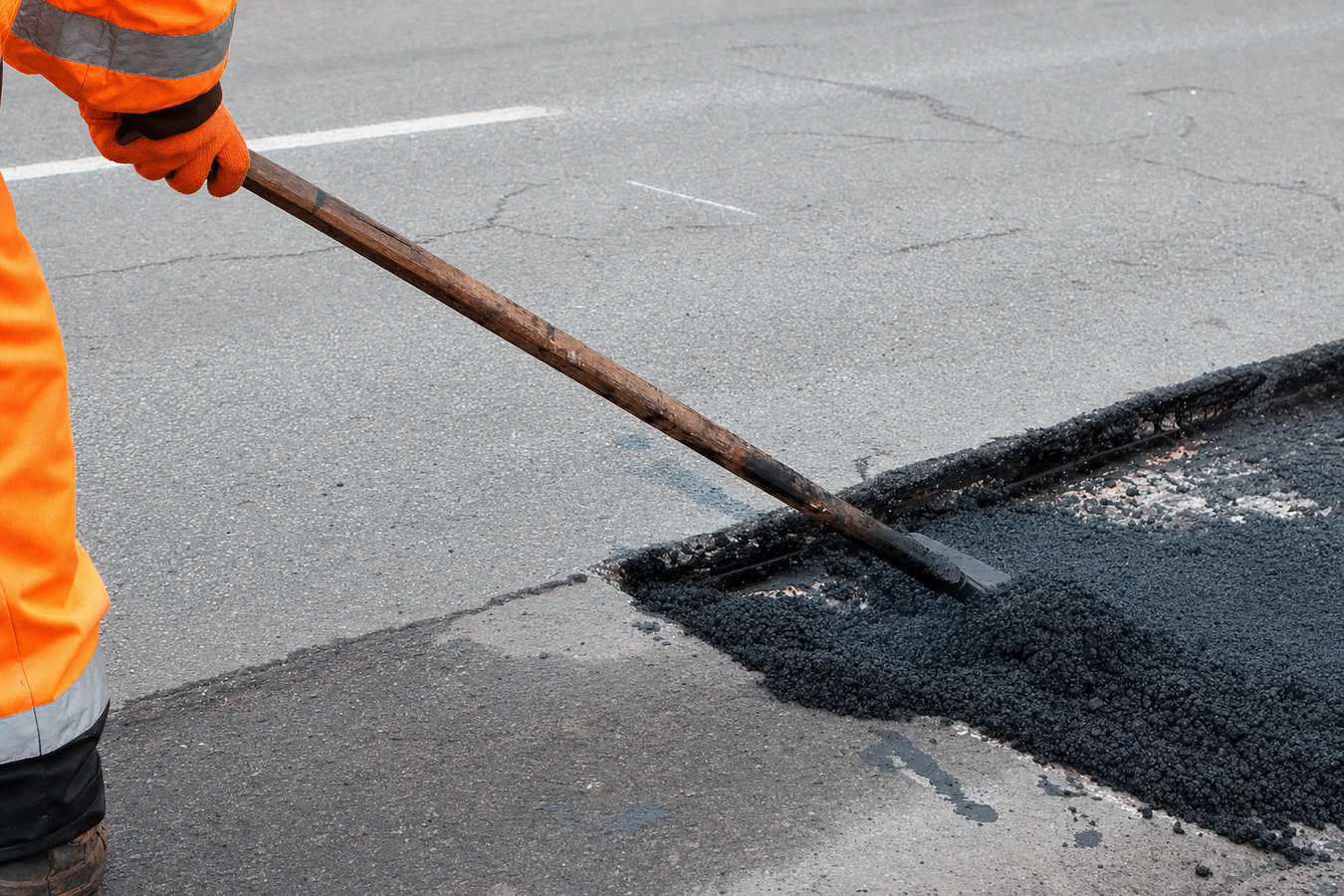
Cracks and potholes grow fast in Highland's heat. We fix them right - cleaning out the damage, checking the base, and patching with quality materials so the repair actually holds.
Asphalt repair in Highland means removing or filling damaged sections of a paved surface so it is smooth, stable, and safe again. Depending on the extent of the damage, a contractor might fill cracks, cut out and patch a section, or recommend a full resurfacing. Most residential repairs are finished in a single day and the surface is ready for traffic within 24 to 48 hours.
Highland homeowners call us most often after cracks or potholes have grown beyond what simple patching can handle, especially after a winter rainy season when water finds its way under the surface. The goal is always to stop small problems before they become expensive ones. If the damage is limited to hairline cracks with a solid base underneath, a targeted asphalt crack sealing treatment may be all you need. If the base has failed, we say so before we do any work.
Good repair work starts with preparation: cleaning the damaged area, cutting clean edges, and confirming the base is solid before any new material goes down. Skipping that prep is why so many patches crack or sink again within a year.
A network of cracks spreading across your driveway or parking area means the surface is telling you the base underneath is weakening. In Highland's heat, these cracks grow quickly - the sun dries out the edges and winter rain gets in through the openings. Catching them early means a simpler, less expensive repair than waiting until the pattern covers the whole surface.
A pothole or a section that sits lower than the surrounding pavement means the base material has shifted or washed away - common in the Inland Empire after heavy rain events. These spots only grow larger if left alone and can damage vehicle tires and suspension. Patching without fixing the base is a temporary solution.
When asphalt turns light gray and feels hard and crumbly, the binder has been broken down by the sun - a very common sight in Highland after a few hot summers. At this stage the surface is far more vulnerable to cracking, and a repair or resurfacing job protects what is left before it deteriorates further.
Low spots where water sits after rain accelerate damage by seeping into cracks and softening the base. Crumbling edges are often the first place damage appears, especially where asphalt meets a lawn or planter. Once the edge starts breaking, the damage tends to work inward quickly.
We handle everything from crack filling on an otherwise sound driveway to cut-and-patch work on sections where the base has shifted. Every repair starts with the same step: we look at what is underneath before we touch the surface. If drainage is contributing to the damage, we address that too - because a patch laid over a drainage problem just fails again. For isolated surface cracks that have not yet reached the base, our asphalt crack sealing service is often the right starting point.
When damage is more widespread - potholes coming back repeatedly, large sections sinking, or a surface that has turned gray and brittle across most of its area - we will tell you honestly whether repair or resurfacing makes more financial sense. Our pothole repair service handles recurring potholes specifically, including an assessment of whether the base needs work before the hole is filled. Getting the right answer on that question up front is the difference between a repair that holds and one that fails by the next rainy season.
Best for isolated cracks on a surface where the base is still solid - stops water from getting in and widening the damage.
Right for potholes, sunken sections, or areas where the base beneath the crack has failed - the damaged material is cut out, the base is corrected, and fresh asphalt is compacted into place.
Addresses crumbling driveway edges before the damage works inward, restoring a clean, stable perimeter that slows further deterioration.
For surfaces where low spots cause water to pool - we correct the grade and rebuild the base before repaving, so the same problem does not return after the next rain.
Highland sits at the foot of the San Bernardino Mountains at roughly 1,200 feet elevation, where temperatures can top 100 degrees in summer and dip below freezing on winter nights. That range is harder on asphalt than people expect. The intense Inland Empire sun dries out asphalt binders, turning surfaces gray and brittle faster than in cooler coastal climates. The occasional winter freeze can then widen any existing cracks overnight. Repairing damage before winter arrives is one of the smartest things a Highland homeowner can do.
The clay-heavy soils common across the Inland Empire expand when wet and shrink when dry, pushing and pulling at pavement from below with every rainy season. That soil movement is one of the main reasons repairs fail if the base is not addressed. We serve homeowners across Highland and neighboring communities including Colton and Loma Linda, where the same soil and climate conditions apply. The National Asphalt Pavement Association publishes maintenance guidance that aligns with what we see on the ground in this region - including the importance of sealing and timely crack repair in hot, dry climates.
Call or fill out our contact form and we will get back to you within one business day. Describe what you are seeing - cracks, potholes, sunken sections, pooling water - and we schedule a site visit. Most homeowners do not need to know the repair type before they call; that is our job to figure out.
We look at the size and type of damage, check the edges and drainage, and assess whether the base is still solid. In Highland, we pay specific attention to soil movement and drainage issues that may be driving the damage. The assessment shapes the repair approach - surface patch versus cut-and-replace - and we explain the difference before we quote anything.
On the job day, the crew cleans out the damaged area, cuts clean edges around any patch zones, and fills or replaces the prepared section with hot-mix asphalt. The material is then compacted level with the surrounding surface. Proper prep - not just filling the hole - is what separates a repair that lasts from one that fails within a season.
Keep vehicles off the repaired area for at least 24 hours - longer for heavy vehicles. Before we leave, we walk you through what to watch for and when to consider a sealcoat over the repair. Sealing the entire surface a few months after the repair cures evens out the color and adds real UV protection in Highland's sun.
Free estimate. Written scope. We reply within one business day - no pressure.
(909) 737-6516We check what is underneath the surface before we price the job. If the base has shifted or washed out, we tell you - because patching over a failing base is the most common reason repairs fail within a season. You get an honest recommendation, not just the faster sale.
Water finding its way under your asphalt is the leading cause of recurring damage in the Inland Empire. We look at how water moves across your surface and address drainage as part of the repair scope - not as an afterthought. Fixing the surface without fixing drainage just sets up the next failure.
California requires paving contractors to hold a current state license before working on your property. You can verify any contractor in seconds through the CSLB at cslb.ca.gov. A licensed contractor is bonded and has met the state's requirements - that matters if anything goes wrong.
Our mix selection and scheduling account for Highland's heat and the area's expansive clay soils. We do not use whatever material is cheapest that week or schedule paving during the hottest part of a 105-degree afternoon. The details of how a repair is done here genuinely affect how long it lasts.
Every repair we do is built on the same principle: fix the actual cause, not just what is visible on the surface. That approach is the difference between a repair you call about again in six months and one you do not think about for years.
A targeted treatment for surface-level cracks on an otherwise solid base - sealing them before water gets in and causes deeper damage.
Learn MoreDedicated pothole filling that addresses the base failure driving the hole, so it does not reform after the next rain.
Learn MoreSummer heat widens cracks fast - the sooner you get an assessment, the less surface you will need to replace.