
Loading...
Serving Highland, CA and surrounding areas. (909) 737-6516
Menu
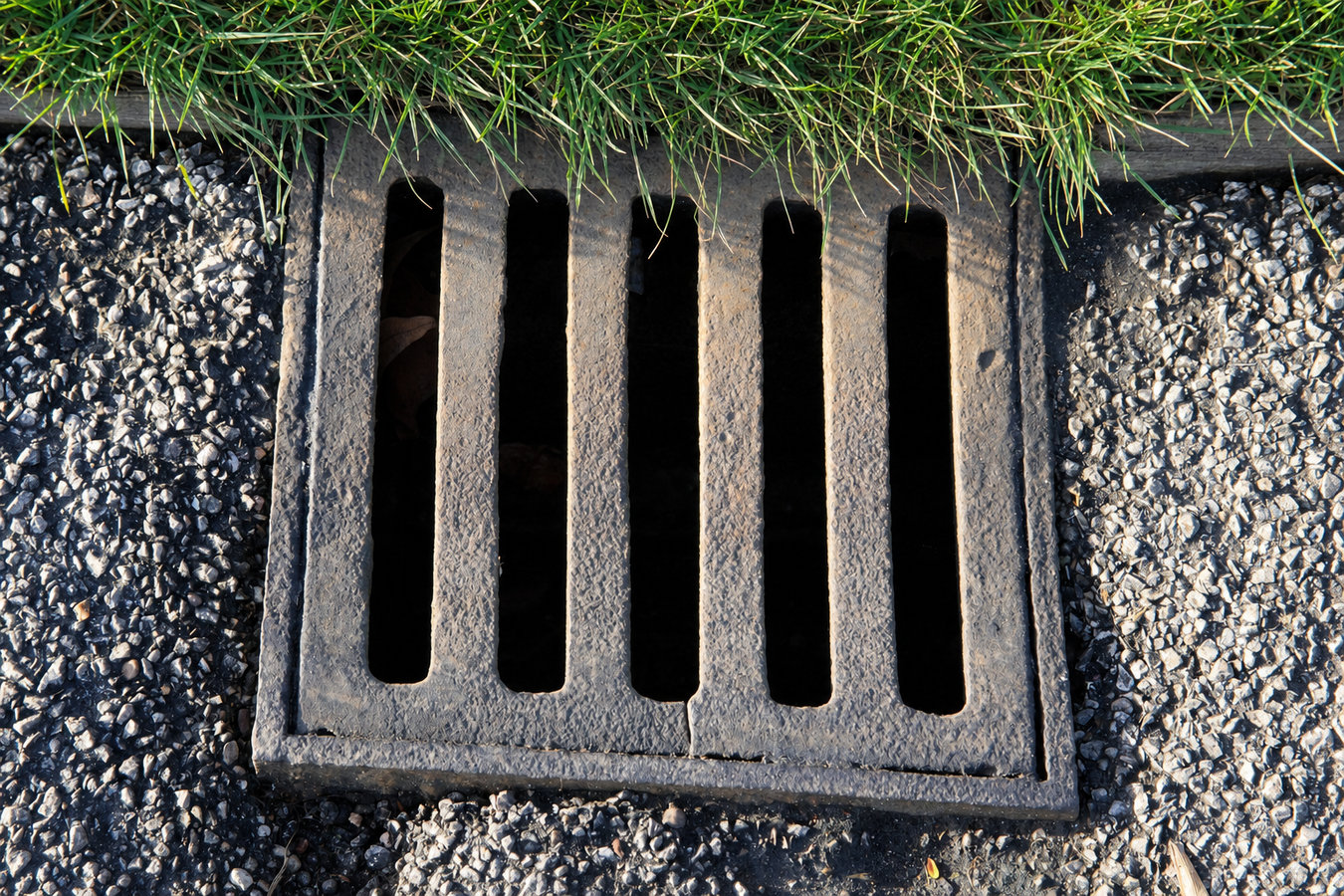
Pooling water on your driveway or lot is not just inconvenient - it is actively breaking down the asphalt from underneath. We install the right drain system to move water away for good.
Drainage solutions in Highland redirect water away from your asphalt before it can seep into the base material and cause cracking, rutting, and potholes. Most residential jobs - catch basins, channel drains, or French drains - are completed in one to three days.
If you are seeing standing water after every storm, new cracks appearing each spring, or water running toward your garage, you have a drainage problem that no surface treatment can fix on its own. Drainage solutions and grading and excavation work together - once the water has a path out, the surrounding ground needs to slope correctly to keep it moving.
Water is asphalt's biggest enemy, and Highland's intense seasonal rain pattern makes that threat real every year. Getting drainage right is the single most effective thing you can do to extend the life of your driveway or parking area.
Standing water that takes hours - or days - to clear off your asphalt means the surface is not draining properly. In Highland's intense rainy season, that water is working into every small crack and softening the base beneath your pavement. The longer it sits, the more damage it does.
Cracking that gets worse every year after the rainy season is a clear sign that water is getting under the asphalt and weakening the base. The freeze-thaw cycle is not a factor in Highland, but the wet-dry cycle absolutely is - and it produces the same result if drainage is not handled correctly.
If rain or irrigation water moves toward your home rather than away from it, you have a slope or drainage problem that goes beyond cosmetics. Water that reaches a foundation or garage floor can cause damage far more expensive than a drain system would have cost.
Soil washing away from the edges of your driveway after storms means runoff is concentrating there and undercutting the pavement support. This is especially common in Highland's hillside neighborhoods, where lots often drop from front to back. Left alone, the edges will eventually crack and crumble.
We assess where water is entering, where it needs to go, and what type of drain system will move it there reliably. For most residential jobs, that means catch basins, channel drains, or French drains installed at the right points and connected to a safe outlet. When the pavement slope itself is the problem, we pair drain installation with grading and excavation to correct the pitch across the surface - because a drain that has nowhere to send water is not a solution.
For properties where runoff has already damaged the asphalt, we combine drainage installation with surface improvements that make the whole system work better together. Every proposal includes a clear explanation of where the water enters the system and where it exits - you should never have to guess where your runoff goes after we leave.
Best for driveways and lots with a concentrated low point where water consistently collects.
Ideal for areas at the base of a slope or just outside a garage apron where water moves across a wide strip.
Right for surfaces where the underlying pitch is incorrect and water runs the wrong direction regardless of surface condition.
Highland sits in the San Bernardino Valley foothills, where most of the year's rain arrives in concentrated bursts between late fall and early spring. After a long dry season, the soil becomes compacted and slow to absorb water - so even a moderate storm can produce fast runoff across every paved surface on your property. The expansive clay soils common throughout the Inland Empire also shift when they get wet, which puts additional stress on buried drain pipes over time. A contractor who accounts for that soil movement when selecting pipe depth and backfill material will produce a system that stays aligned and functional far longer.
Homeowners in Redlands and Loma Linda face the same feast-or-famine rain pattern that Highland does - long dry stretches followed by storms that drop significant water in a short window. Properties in the northern parts of Highland that sit closer to the mountains also deal with hillside runoff, which can move faster and in greater volume than flat-lot drainage. If your property is downhill from a slope or a recently burned hillside, a standard drain system may need to be sized more generously than a typical residential calculation would suggest.
We schedule a site visit to walk your property, see where water collects, and trace where it needs to go. This is not a phone quote - good drainage work requires seeing the slope and the soil. We reply within 1 business day to confirm your visit.
You receive a written proposal that specifies the drain type, pipe route, and outlet location. If the work connects to the city storm system or crosses a sidewalk, we handle the permit application - which can add a week or more to the start date.
The crew excavates trenches, sets drain inlets and pipe, and backfills with properly compacted material. Any asphalt cut for a channel drain or catch basin is patched and compacted in the same visit.
Before the crew leaves, we walk the site with you - confirming all inlets are clear, the surface looks right, and you know where the water exits. Fresh asphalt needs at least 24 to 48 hours before driving on it, and longer in very hot weather.
Free on-site assessment. Written estimate before any work begins. No pressure.
(909) 737-6516We have been working in Highland and the surrounding San Bernardino Valley since 2017, which means we know how this area's clay soils shift through the wet-dry cycle and how fast hillside runoff can move during a concentrated winter storm. That knowledge changes how we size and route drain systems here versus what would work in a milder climate.
A drain that has nowhere to send water is not a solution. We plan the complete path - where water enters the system, how it travels through pipe, and where it exits safely. Every written proposal specifies the outlet location before work begins, so you are never left wondering where your runoff goes.
If your drain outlet connects to the city storm system or involves work in the public right-of-way, a permit is required and we handle the application. You do not have to navigate Highland city or San Bernardino County requirements on your own - we factor the permit timeline into your project schedule from the start. Verify our contractor license status at cslb.ca.gov.
We follow the installation standards set by the National Asphalt Pavement Association, which means proper compaction, correct pipe depth, and backfill material suited for Inland Empire soil conditions. That attention to the base is what keeps drain systems functional for years instead of failing after the first active storm season.
Drainage is not a cosmetic fix - it is the repair that stops every other problem from getting worse. When water moves away from your asphalt the way it should, your driveway stops deteriorating from the inside out, and you stop dreading what the next rainy season will reveal.
Add physical traffic-calming to driveways and private lots that share space with pedestrians or children.
Learn MoreCorrect the underlying slope of your property so water naturally flows away from paved surfaces.
Learn MoreHighland storms arrive fast - get your drain system in place while the weather is still on your side and avoid another season of water damage.